How to Play Doom and Doom II Like You Would on a Compaq LTE 5000 Series Laptop From the 1990s
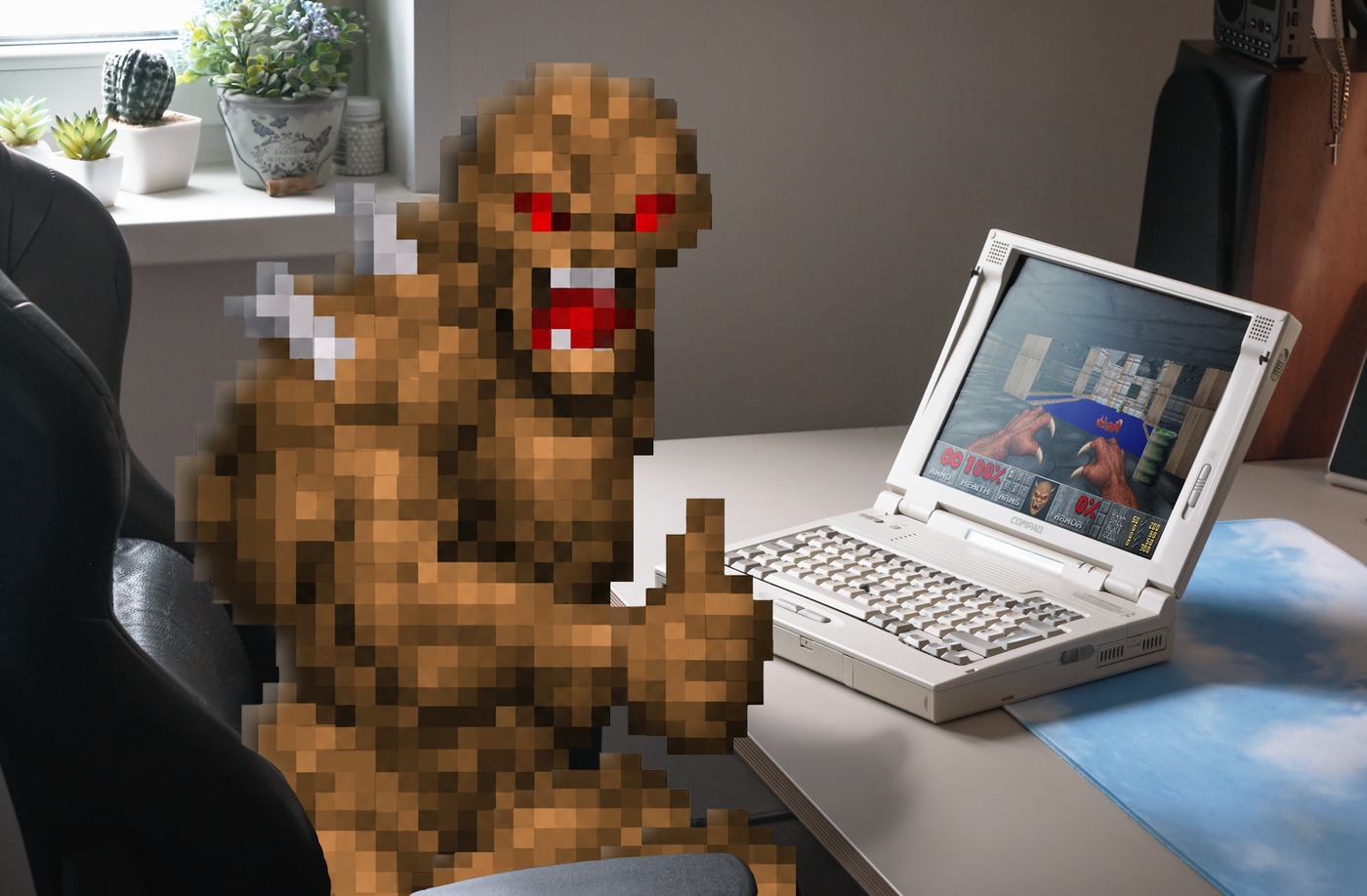
As unlikely as it sounds for a millennial, until recently, I had never actually played through either the original 1993 Doom or its 1994 sequel, Doom II: Hell on Earth.
My one real experience with Doom came way back in 2008, through a random Flash demo I stumbled across online, where Adobe was using Doom to showcase how C code could be executed inside an Adobe Flash file. It was the original shareware Doom game running at a smooth frame rate, in the browser, made possible thanks to Adobe Alchemy (also known as CrossBridge) — a short-lived C/C++ compiler for the ActionScript Virtual Machine that Adobe retired along with Flash.
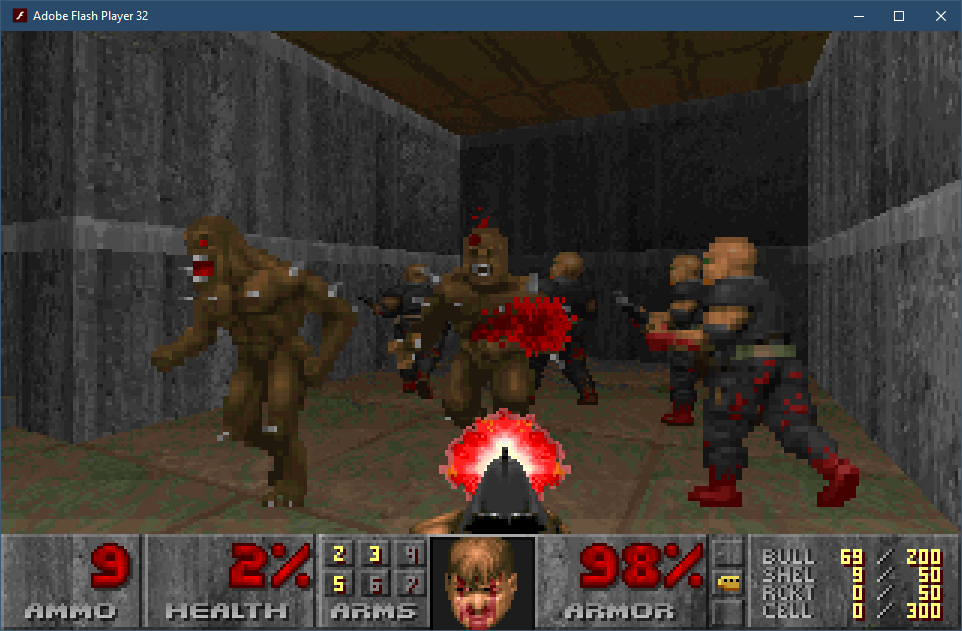
The demo had no music or mouselook, and the aspect ratio was incorrect, but I didn't care. I was too curious to see how far I could get, and eventually managed to finish the only episode available in that shareware release: "Knee-Deep in the Dead". And well, that was enough to give me the gist of what the original Doom was about, which is why I never bothered with the full retail version.
I inadvertently became the exact kind of player John Carmack had been talking about in his 1999 interview with Doomworld, where he explained why Doom II was released as a commercial game rather than as shareware like its predecessor:
"A lot of people consider themselves to have 'finished DOOM' when they just finished the shareware episode".
A Serendipitous Find
Fast-forward eighteen years to September 2026.
One day, on a sunny afternoon, I was scrolling through the classifieds when I stumbled upon a gorgeously preserved retro laptop. I had long dreamed of owning a classic "beige box" from the Windows 95/DOS era, but all the listings I had come across before were either yellowed, tired-looking desktop PCs, laptops based on 486-class processors (slow, DOS-only machines), or portable computers from the Windows 98 era — dull, worn-out dark-gray rectangles with no real charm or character.
Growing up, I never owned a Windows 95-era computer. My own experience with PC gaming began with visits to a friend's house, where his dad's PC became my gateway to Diablo, Fallout, Carmageddon, and some other classics. My first personal computer, meanwhile, was a much more modern 800 MHz Pentium III with 128 MB of RAM, designed to run Windows 98.
Seeing that retro laptop in the listing brought back memories of all the good old DOS and Win95 games I grew up playing. And it felt like the perfect opportunity to accomplish two things: acquire a marvelous vintage laptop and use it to beat the original Doom and Doom II: Hell on Earth on period-appropriate hardware.
I bought it almost immediately.
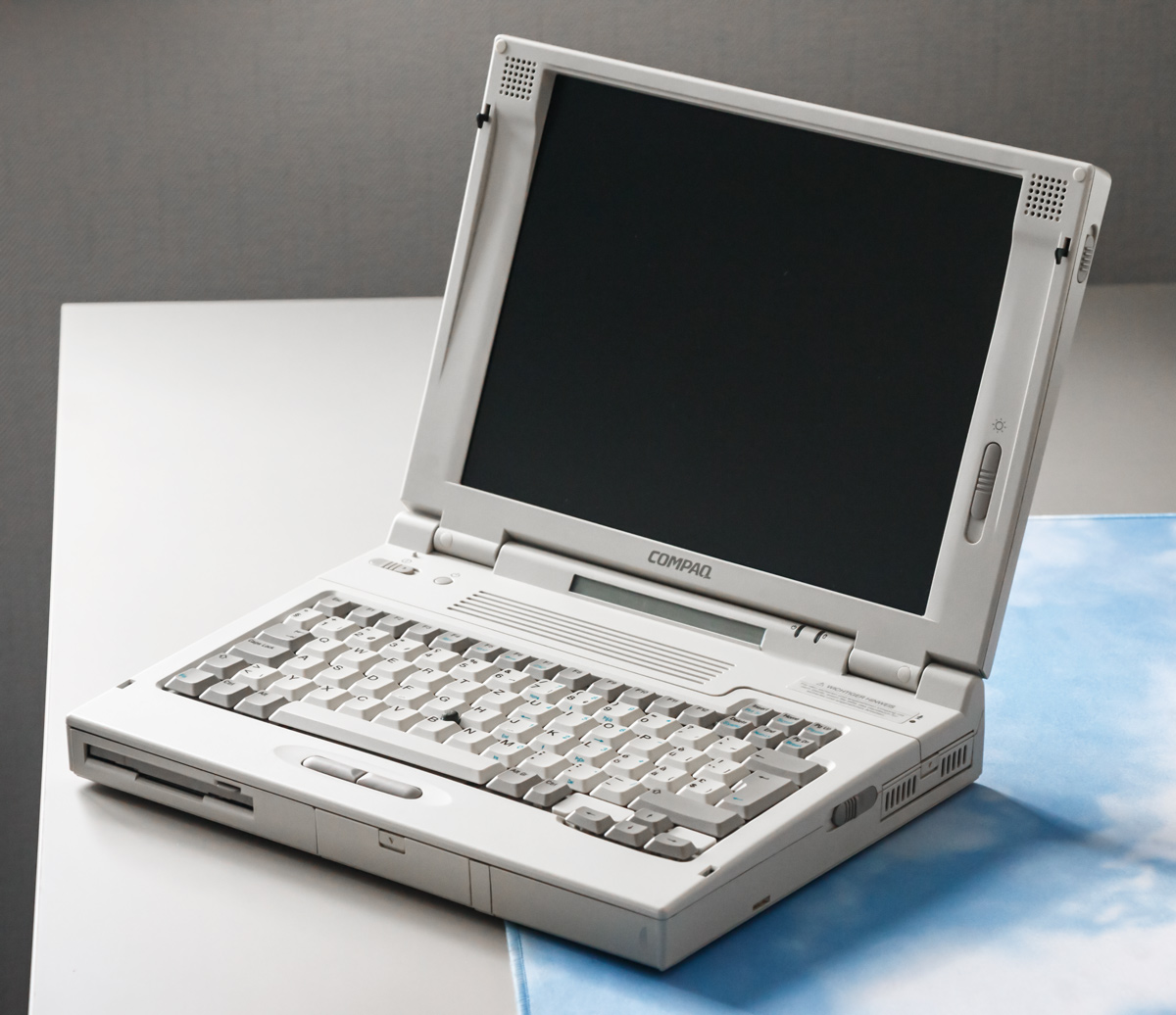
Here it is, in its full retro glory — the Compaq LTE 5400.
Extreme Intel/AMD CPU and APU Underclocking and Undervolting For Maximum Battery Life Using Universal x86 Tuning Utility
YouTube channel Just Josh released a video review of Lenovo Yoga Slim 7i 14 laptop powered by an Intel Ultra 7 258V CPU (or an APU, strictly speaking).
Terribly-named Intel chip model aside, the laptop was able to deliver jaw-dropping battery life in the video playback test:
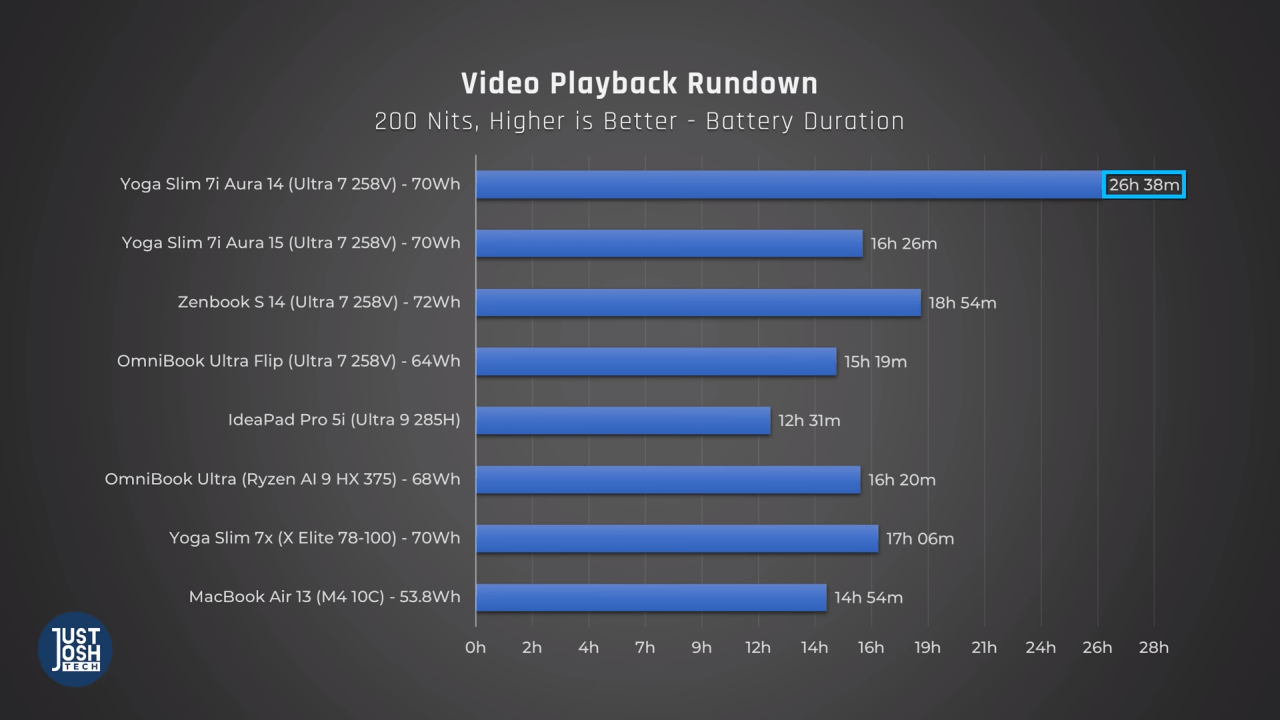
These are record-breaking results that are even better than those of ARM-based Apple laptops, let alone other x86-based Windows machines! When I showed this review to a good friend of mine, we had quite a debate, since he couldn't or wouldn't believe those results. Afterwards, I decided to compare Yoga Slim 7i to my own Lenovo IdeaPad 5 Pro 14ACN6 laptop in terms of battery life in such a use scenario.
My 14ACN6 (released Feb, 2022) features an 8-core AMD 5800U CPU, 16GB of DDR4 RAM and a 56Wh battery. In a scenario similar to that in the review (power saving mode, looping 1080p H.264-encoded H/W-accelerated video playback at 200 nits of brightness) the laptop delivered 7h 40m of battery life.
So about 8 hours for a brand new unit, considering the 96.3% battery health of mine. But then, the review model of Lenovo Yoga Slim 7i 14 had a fairly beefy 70Wh battery. To compare apples to apples, I'll simply add 25% to my test results, so that with the same battery the best theoretical case scenario for this laptop would allow for about 10 hours running off the grid. Certainly a far cry from the 7i's results…