All about games and game development.
How to Play Doom and Doom II Like You Would on a Compaq LTE 5000 Series Laptop From the 1990s
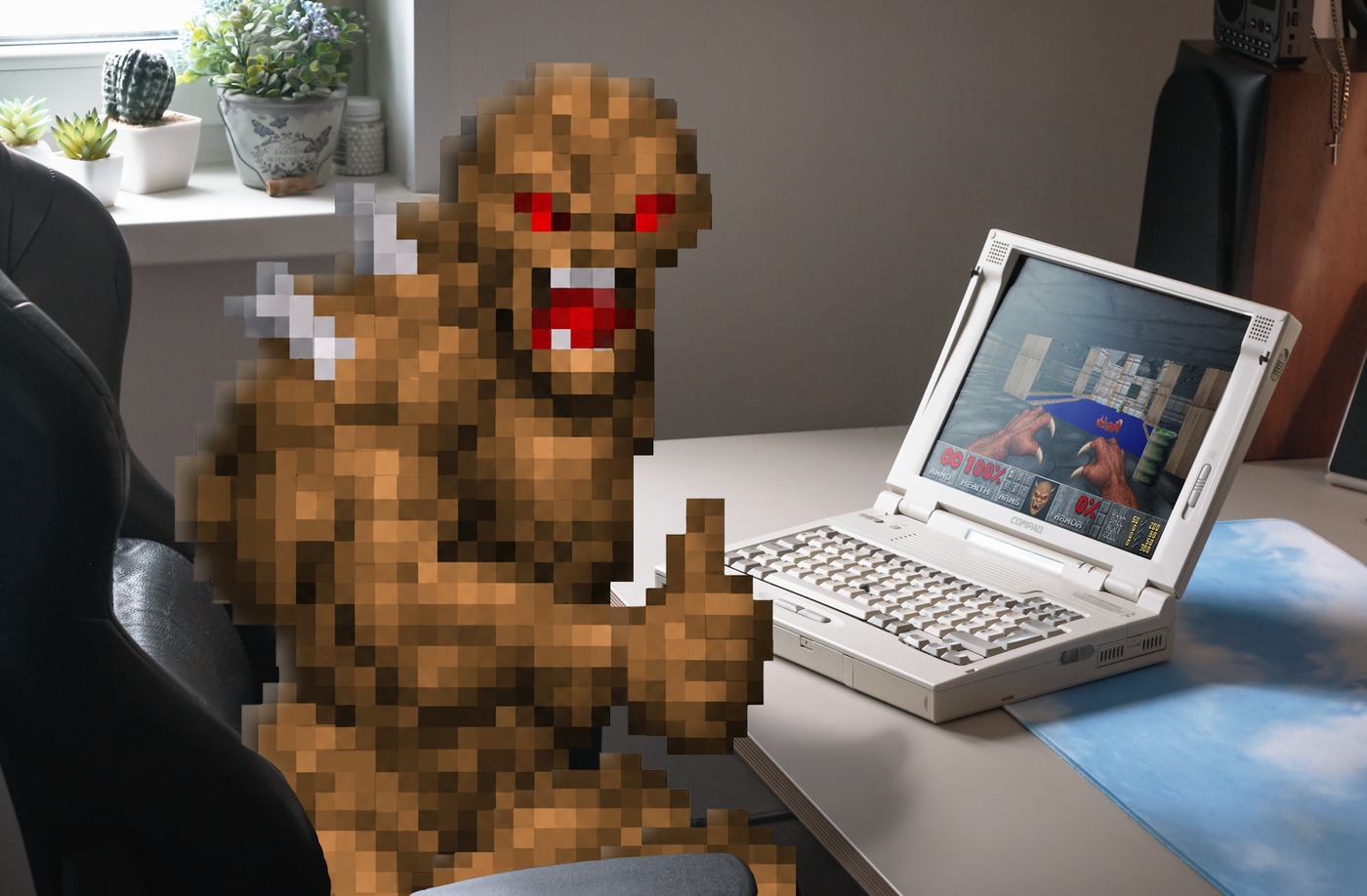
As unlikely as it sounds for a millennial, until recently, I had never actually played through either the original 1993 Doom or its 1994 sequel, Doom II: Hell on Earth.
My one real experience with Doom came way back in 2008, through a random Flash demo I stumbled across online, where Adobe was using Doom to showcase how C code could be executed inside an Adobe Flash file. It was the original shareware Doom game running at a smooth frame rate, in the browser, made possible thanks to Adobe Alchemy (also known as CrossBridge) — a short-lived C/C++ compiler for the ActionScript Virtual Machine that Adobe retired along with Flash.
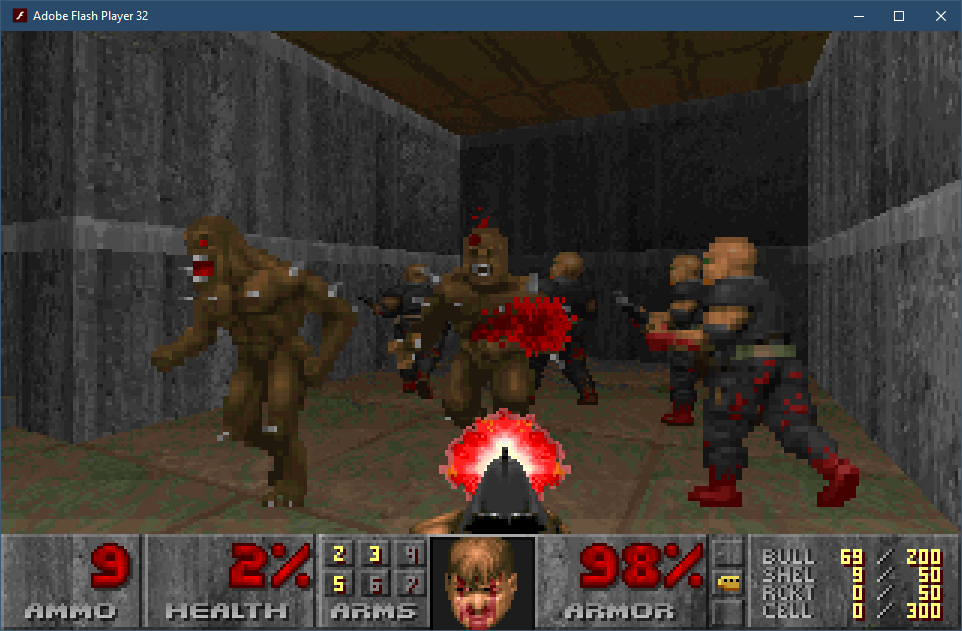
The demo had no music or mouselook, and the aspect ratio was incorrect, but I didn't care. I was too curious to see how far I could get, and eventually managed to finish the only episode available in that shareware release: "Knee-Deep in the Dead". And well, that was enough to give me the gist of what the original Doom was about, which is why I never bothered with the full retail version.
I inadvertently became the exact kind of player John Carmack had been talking about in his 1999 interview with Doomworld, where he explained why Doom II was released as a commercial game rather than as shareware like its predecessor:
"A lot of people consider themselves to have 'finished DOOM' when they just finished the shareware episode".
A Serendipitous Find
Fast-forward eighteen years to September 2026.
One day, on a sunny afternoon, I was scrolling through the classifieds when I stumbled upon a gorgeously preserved retro laptop. I had long dreamed of owning a classic "beige box" from the Windows 95/DOS era, but all the listings I had come across before were either yellowed, tired-looking desktop PCs, laptops based on 486-class processors (slow, DOS-only machines), or portable computers from the Windows 98 era — dull, worn-out dark-gray rectangles with no real charm or character.
Growing up, I never owned a Windows 95-era computer. My own experience with PC gaming began with visits to a friend's house, where his dad's PC became my gateway to Diablo, Fallout, Carmageddon, and some other classics. My first personal computer, meanwhile, was a much more modern 800 MHz Pentium III with 128 MB of RAM, designed to run Windows 98.
Seeing that retro laptop in the listing brought back memories of all the good old DOS and Win95 games I grew up playing. And it felt like the perfect opportunity to accomplish two things: acquire a marvelous vintage laptop and use it to beat the original Doom and Doom II: Hell on Earth on period-appropriate hardware.
I bought it almost immediately.
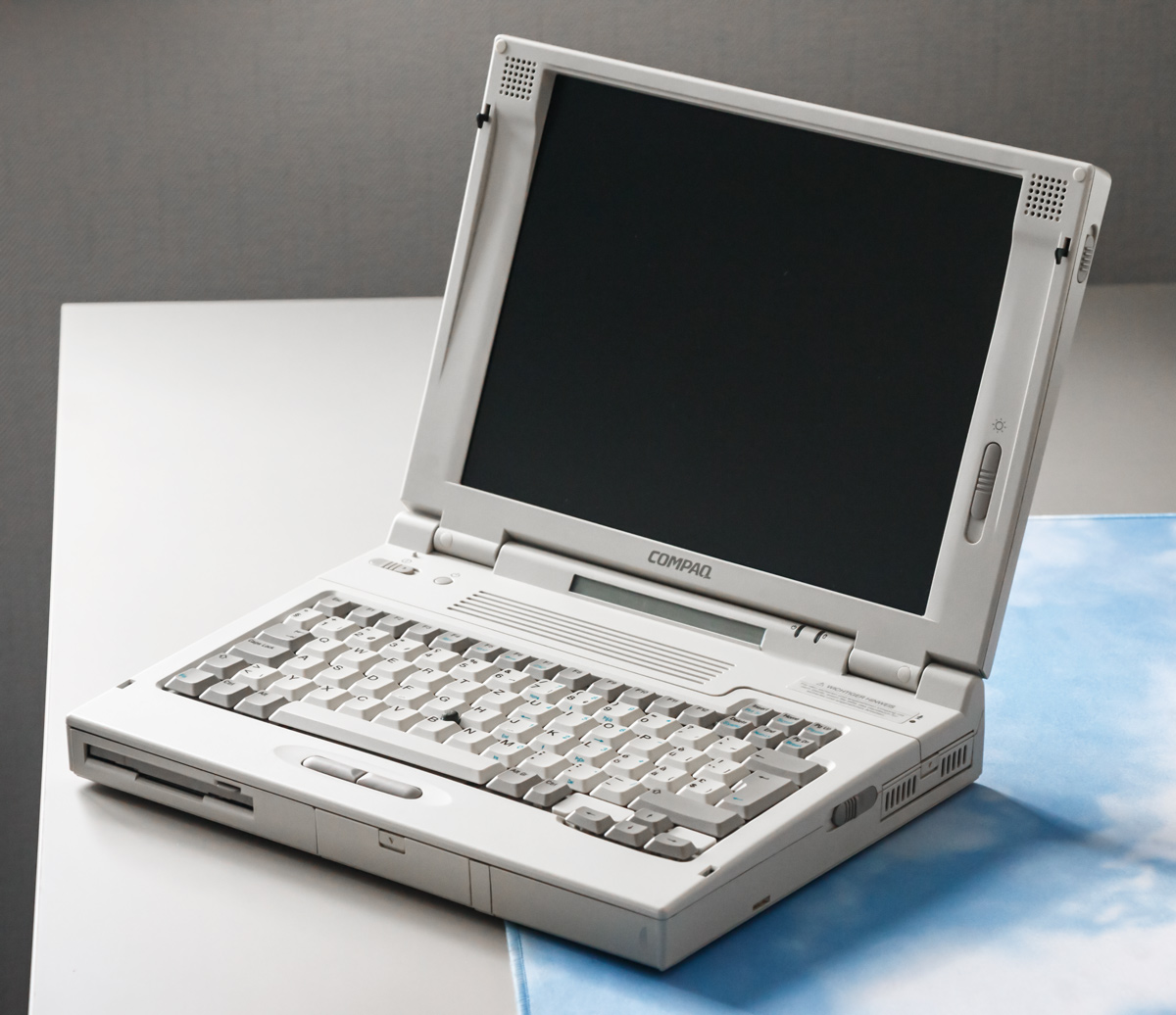
Here it is, in its full retro glory — the Compaq LTE 5400.
Get Your New Year Vibes From Ross's Game Dungeon Christmas Episodes

To go with the New Year's "wintery" vibe I want to share something unusual, in hopes you'll find it as entertaining as I did — Ross's Game Dungeon by Ross Scott.
The Man. The Legend.

I found out about Ross though his famous "Freeman's Mind" series many years ago. A series, which you should totally watch in full, BTW. Chronologically, from the very first episode. Here's the complete YouTube playlist, for your convenience.
One day, having just finished a new episode of Freeman's Mind, I noticed YouTube recommending a video from his other series, "Ross's Game Dungeon". Don't remember which one it was, but I got hooked and soon ended up watching all of them in the weeks that followed...
Play Ghost of Tsushima
There are bad games...
There are... mediocre games.
There are good games.
There are great games.
And then there's Ghost of Tsushima. In a class of it's own, a pure masterpiece of visual and open-world game design.
Sucker Punch, you beautiful bastards you.
Genshin Impact, GACHA and The Case of an Inferior Electronic Sticker Album
Last week saw the release of a new free-to-play Chinese electronic gambling game disguised as a 3rd person action RPG named Genshin Impact. And it turned out to be one of the largest launches for a Chinese game ever.
I wonder why...
Don't get me wrong: I love games with sexy girls and tons of fan-service! Not so much though, when I'm painfully aware that the actual entertainment product is a trap, designed to slowly condition players to regularly spend money for premium currency. Such currency can then be spent to take part in a game of chance-like ordeal where you pay to get a shot at unlocking a bunch of random heroes and items of different "rank", "tier" or "value" upon "rolling a banner", opening a loot-box, a chest, a magical item or whatever the hell they decide to call those in a particular game of this category.
Remember these?

Bethesda Chronicles: Rock Bottom
Long story short:
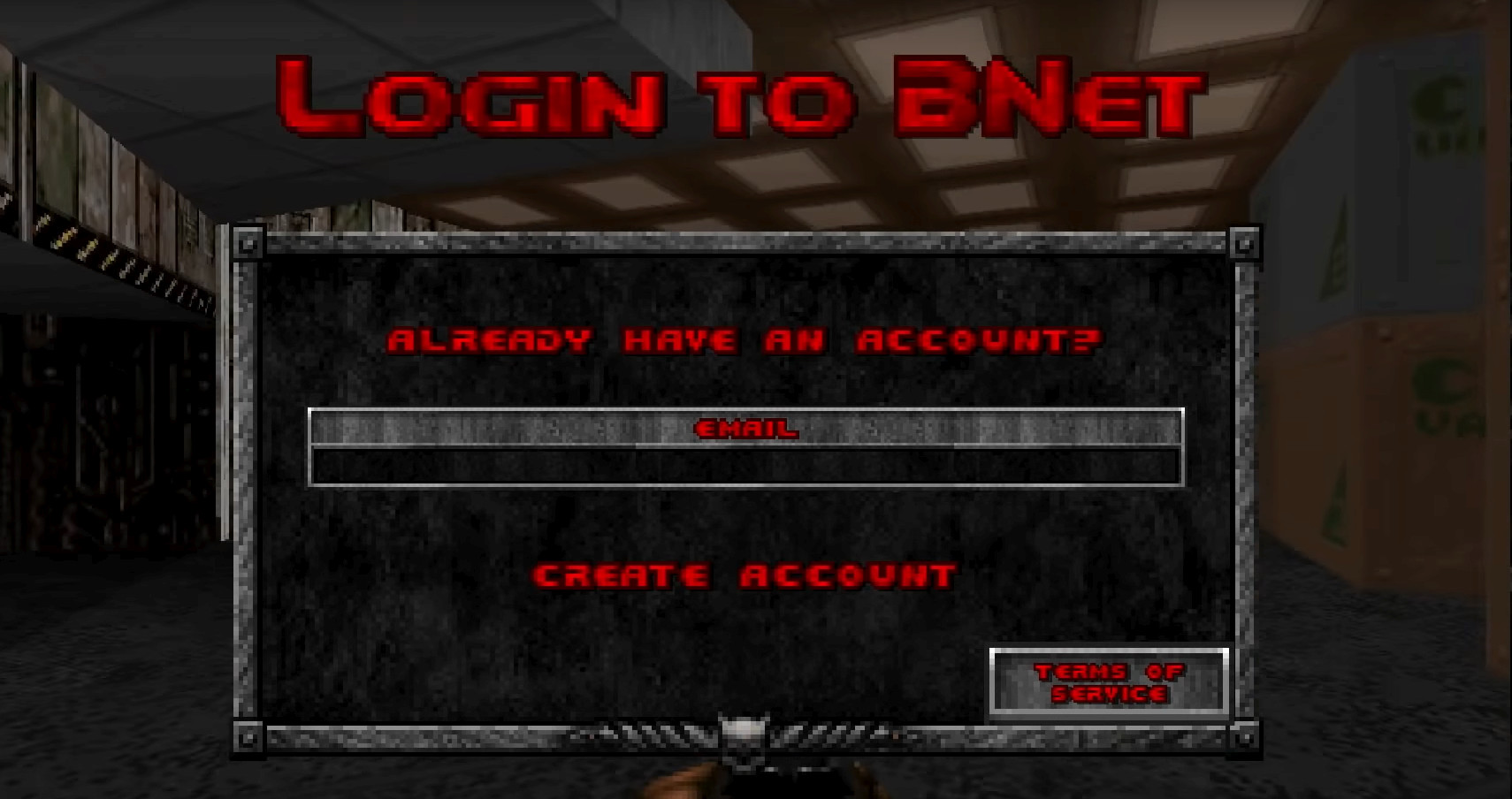
- Bethesda released ports of Doom 1, 2, 3 for Nintendo: SWITCH with DRM. Yes. You read that right: a set with a 25+ year old game with DRM and a Terms of Service agreement.
- The very same Bethesda released Wolfenstein: Youngblood which... Which... Let's just say, that corporate greed and the real face of the "New Bethesda" is strong in this one: complete failure to market the product, deceitful videos which didn't show the true nature of the product until the very last day prior to release and, of course, loads and loads of microtransactions to seal the deal. I've made a backup of all user reviews from Metacritic just in case, so we all could revisit this trainwreck of a title any time to remind ourselves that the Old Bethesda is finally gone.

I wonder how the New Bethesda is going to embarrass itself again in the future. It will sure be spectacular!

Run and Rock-it Kristie On the App Store: Last Chance
Last chance: grab your free full copy of action-packed Run and Rock-it Kristie on the App Store since the game will be leaving the store in two weeks.

Developing the game was a blast, watching people and journalists play and discuss it on the internet — priceless.
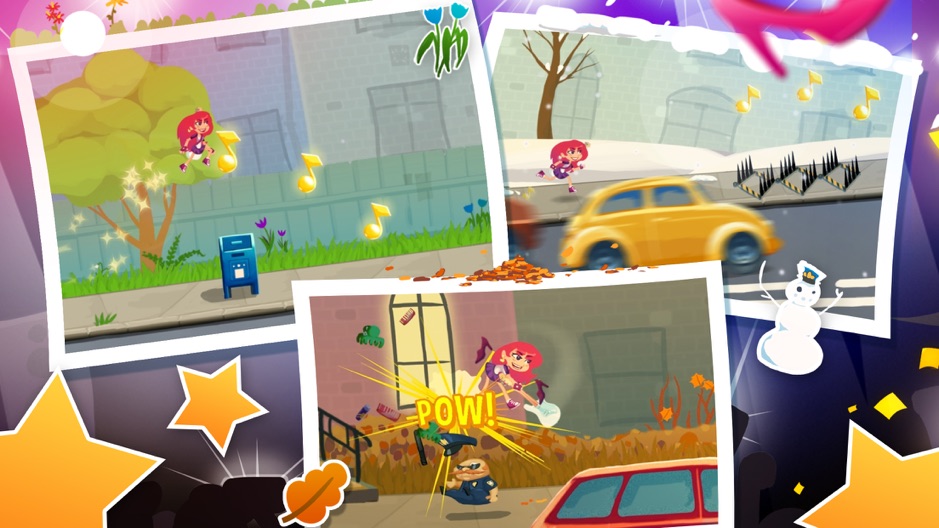
The fact that Apple actually featured it on the EU App Store main page for two weeks was simply unbelievable.
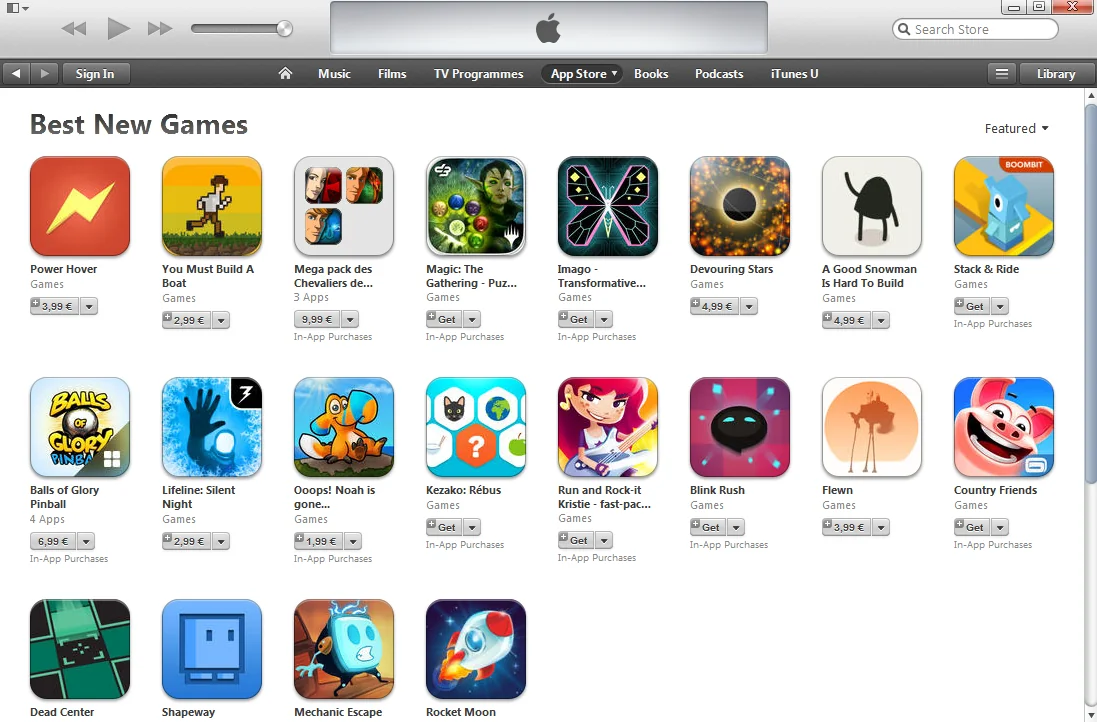
Thank you all for playing!
Deep, Meaningful and Possibly Life-Changing Story-Driven Games Everyone Should Play Regardless of Previous Gaming Experience [No Spoilers]
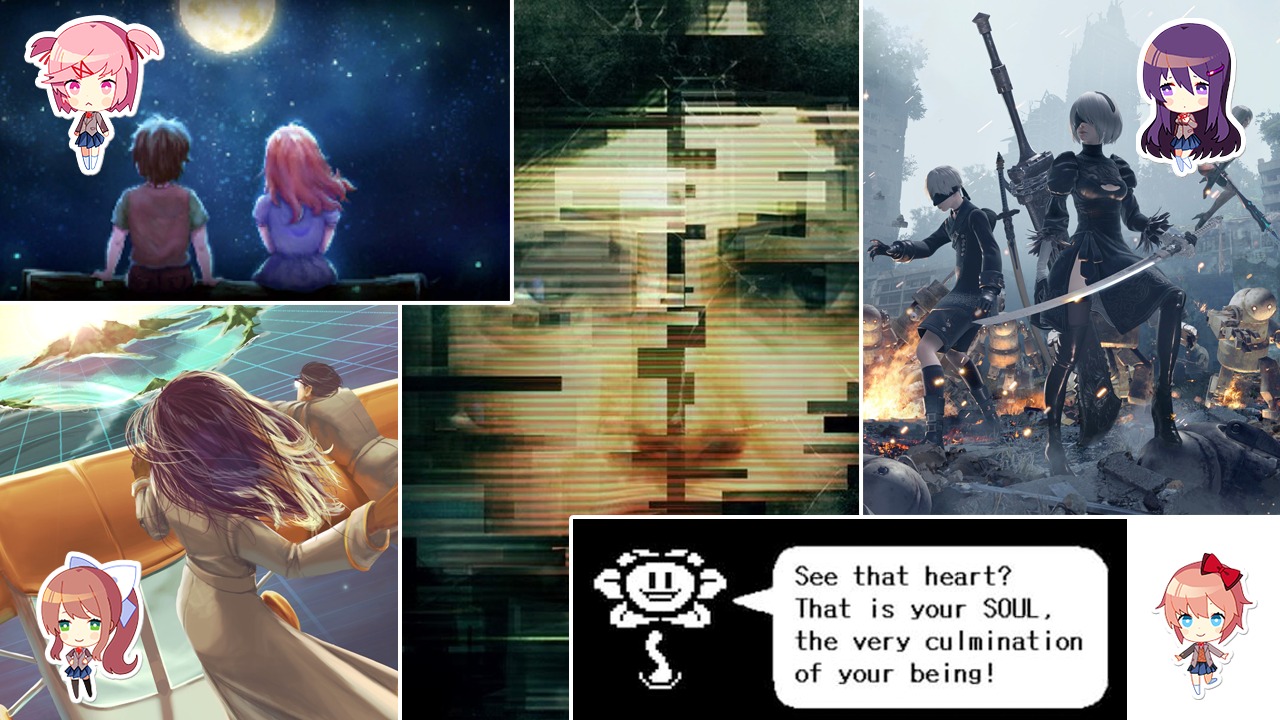
Today we'll once again discuss one of the most remarkable types of media — Video games. Interactive nature of multimedia games makes it possible to tell stories in bold and original ways, allowing players to experience the narratives at their own pace. Or customize the player's experience by providing different story routes or even finales based on one's actions throughout the journey.
Some projects can only work in the form of a videogame, especially those which rely heavily on player choice as well as provide replayability by changing some of the aspects of the game, essentially turning it into an endless experience.
Among the games we play there's a range of particularly impressive narrative-driven titles which tell some fairly complex stories by taking the player through the whole spectrum of emotion: there's no black and white, there are no cliché Hollywood endings, — only non-polarized, deep, sometimes even dark topics put under scrutiny. They raise philosophical questions about the world we live in, the things that make us who we are, the human condition in general and the meaning of it all, without giving pre-digested answers, but rather making the player think, sometimes even causing one to lose sleep over the choices made or events experienced.
I believe these Games are the pinnacle of interactive storytelling and some of them deserve universal praise and simply must be played, — no, experienced by everyone, regardless of age, gender or previous gaming experience. Just like a well-cooked and masterfully spiced meal astounds one with a symphony of taste, these Games deliver some of the most intense experiences one can expect from a multimedia project.